Partners:


The Copenhagen Declaration: A Unified Europe for Startups
Europe has world-class talent, but scaling a company across the continent still means navigating 27 different markets. At the GEW Scale-Up Europe roundtable in Copenhagen, founders, investors and policymakers identified fragmentation – not lack of innovation – as Europe’s biggest competitiveness challenge.
The Copenhagen Declaration outlines a bold fix: a 28th Regime so startups can operate across Europe like one market, one digital gateway for all EU rules, simpler regulation for early-stage companies, and a true Capital Markets Unionthat unlocks cross-border investment.
The message is clear: To keep Europe’s best companies in Europe, we must dare to simplify and align.
12 November 2025
Highlights from Scale-Up Europe
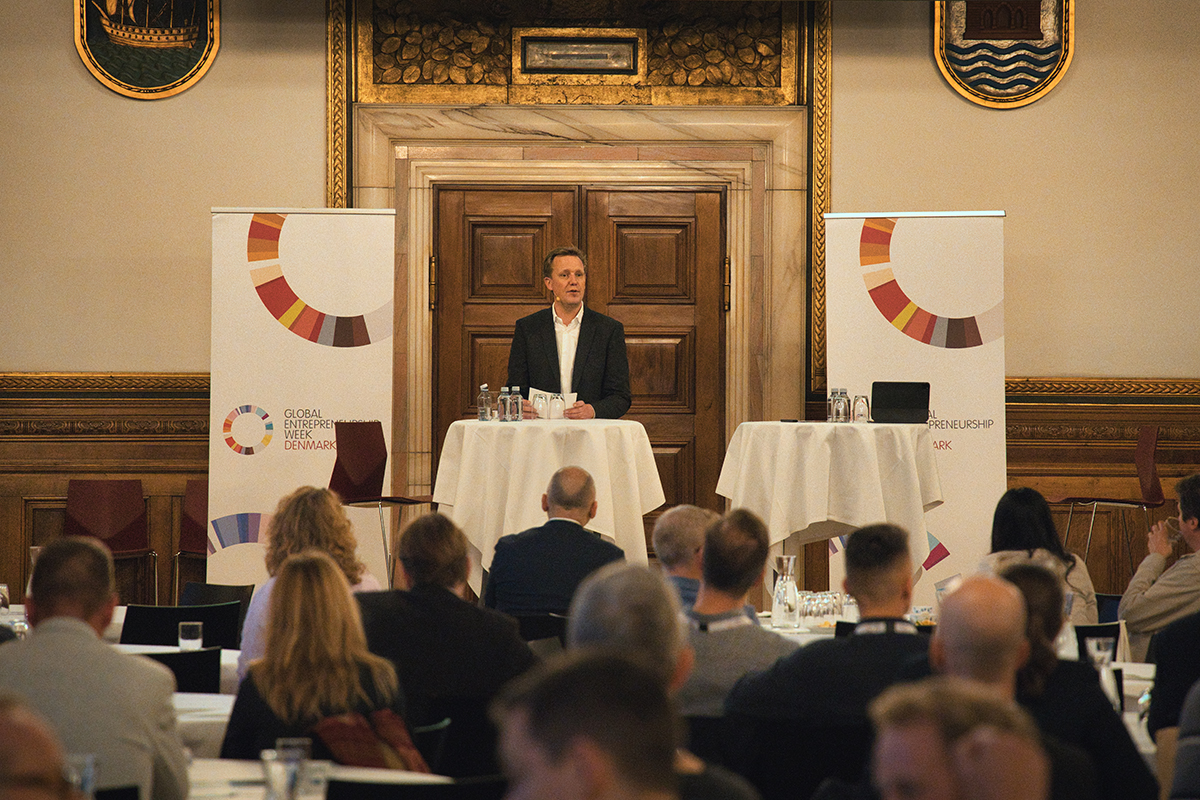
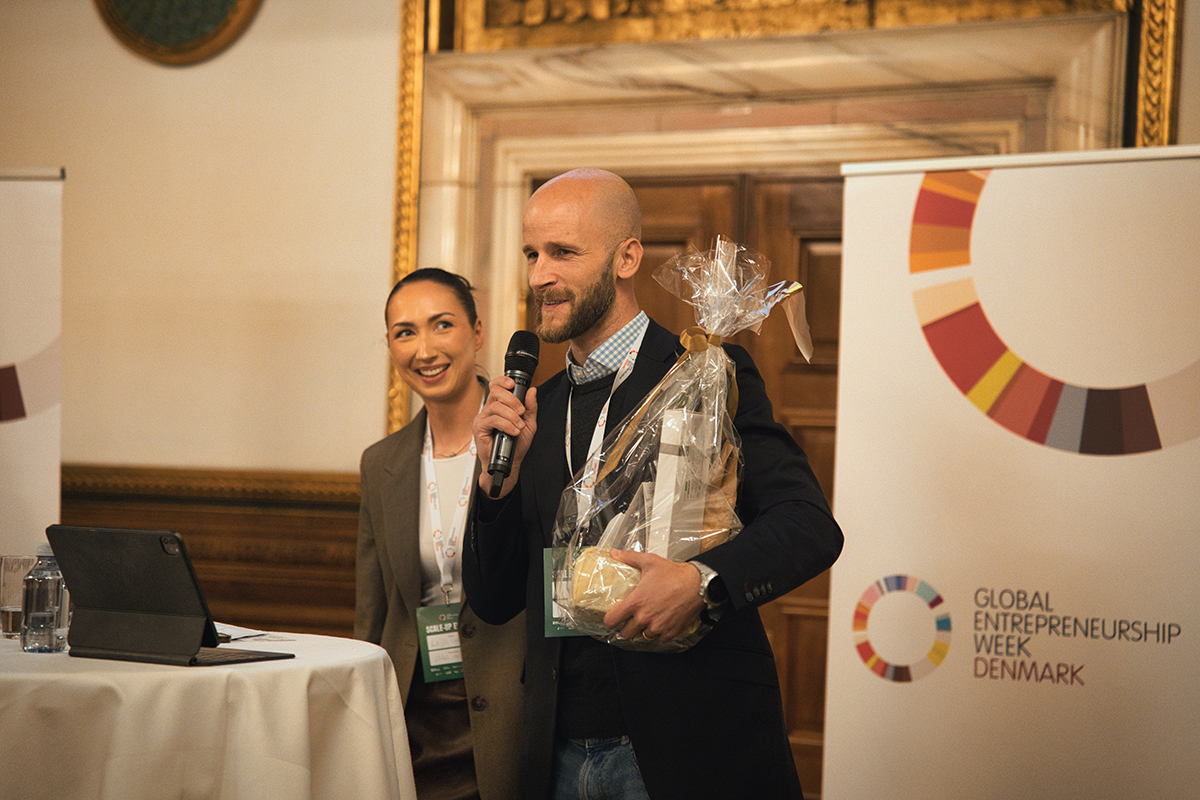
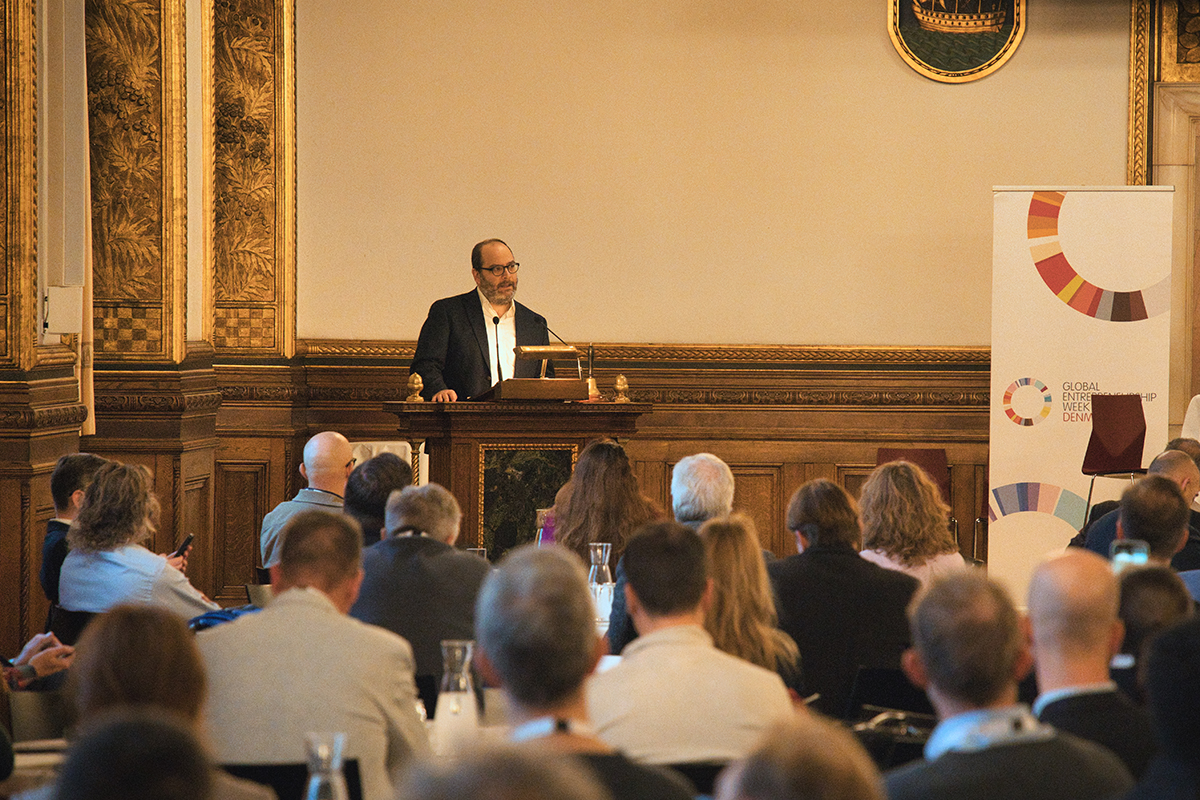
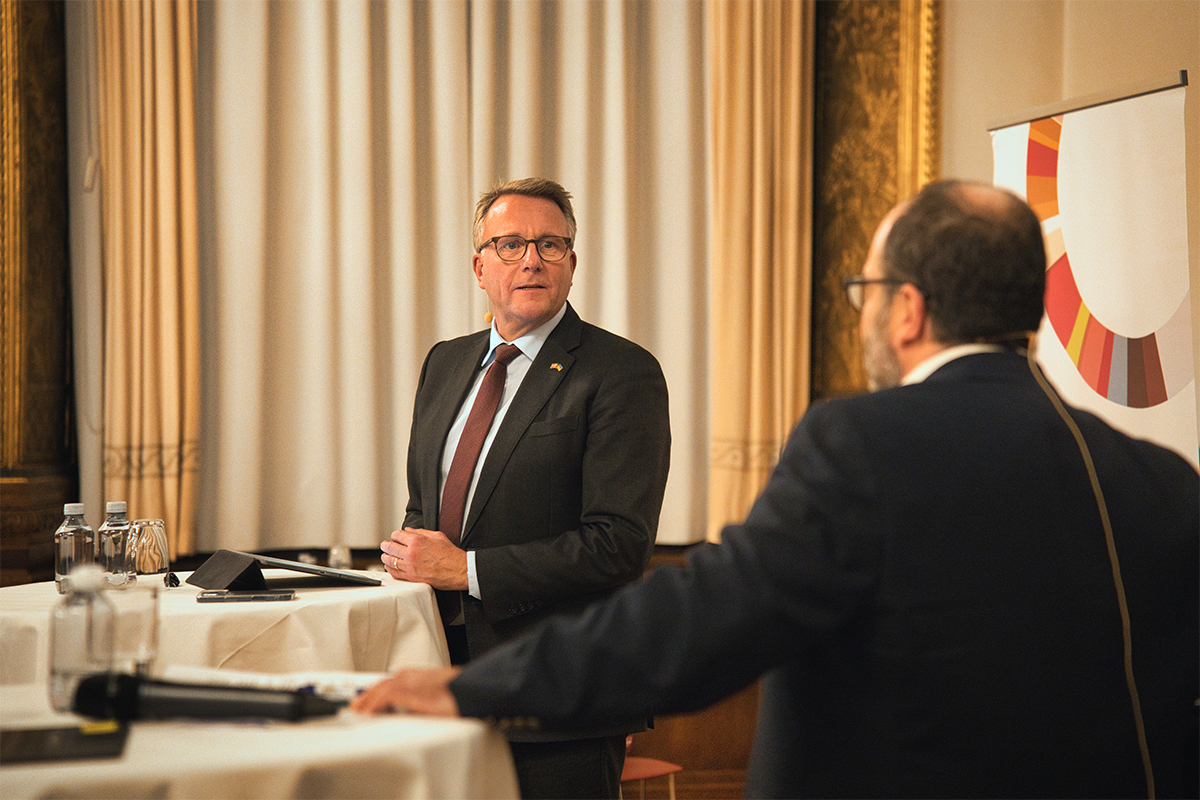
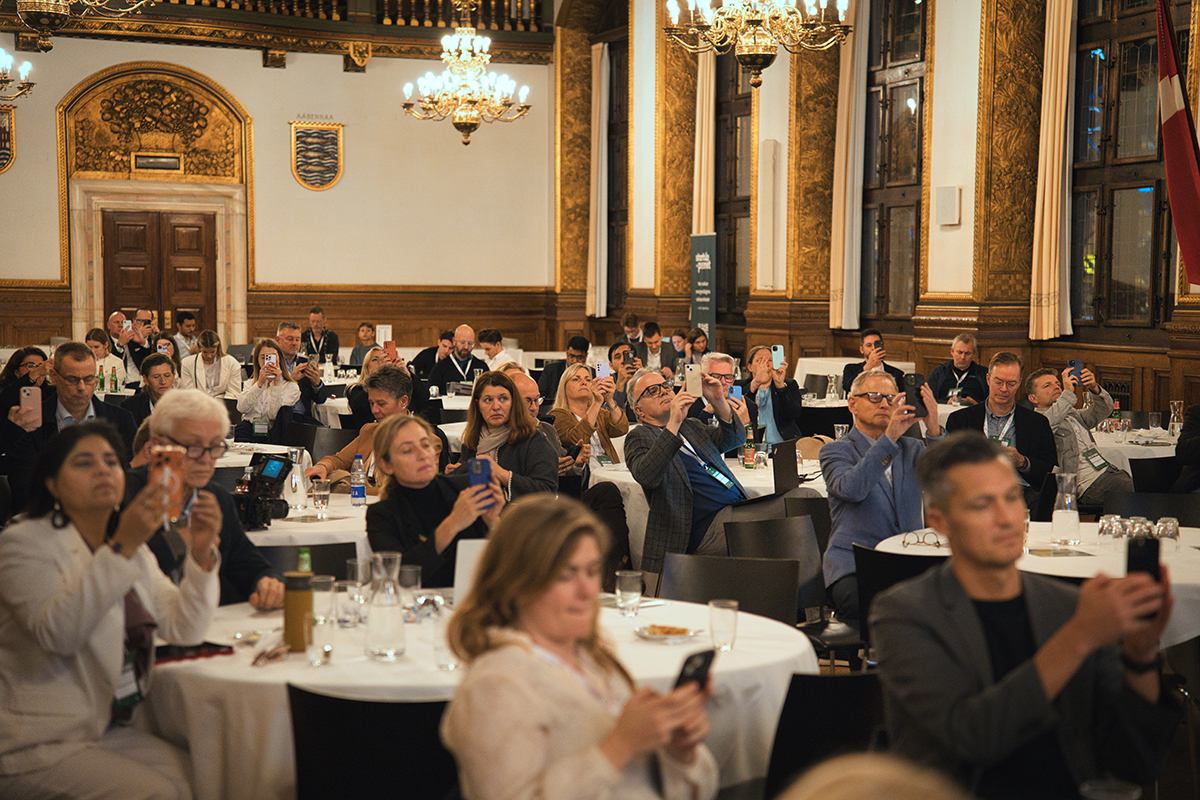
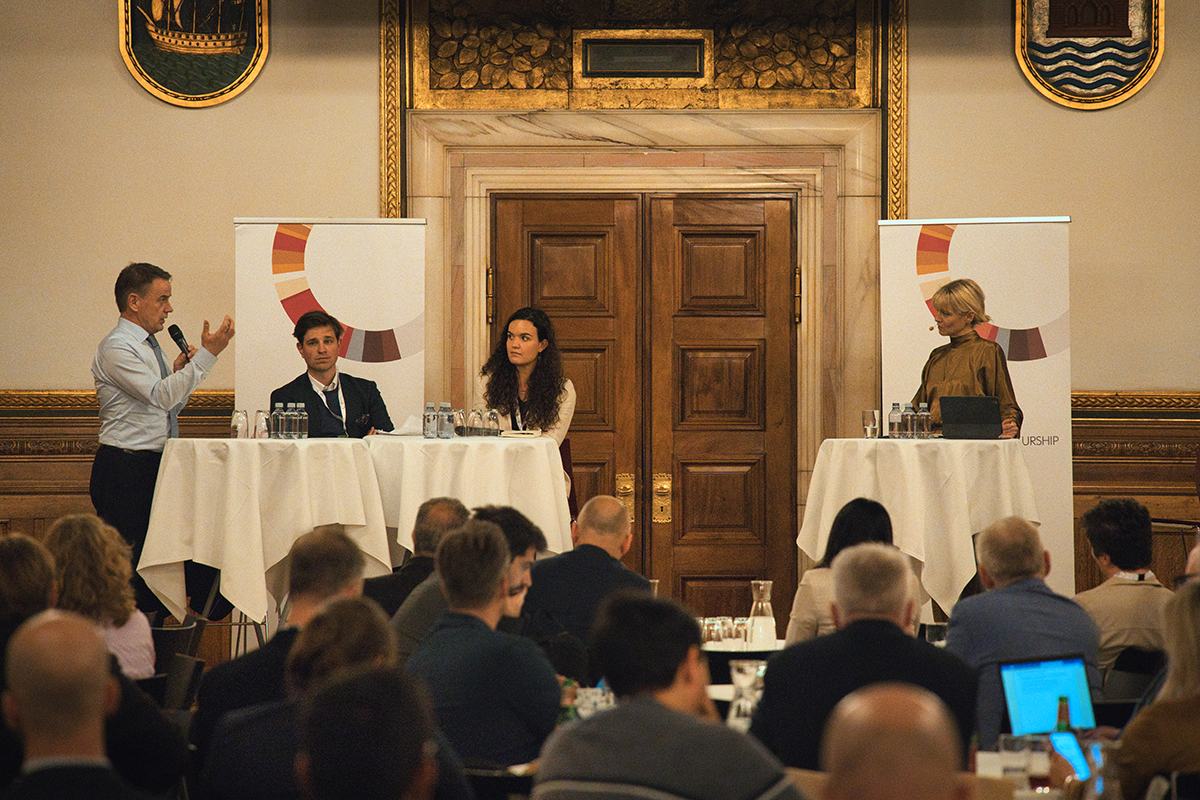
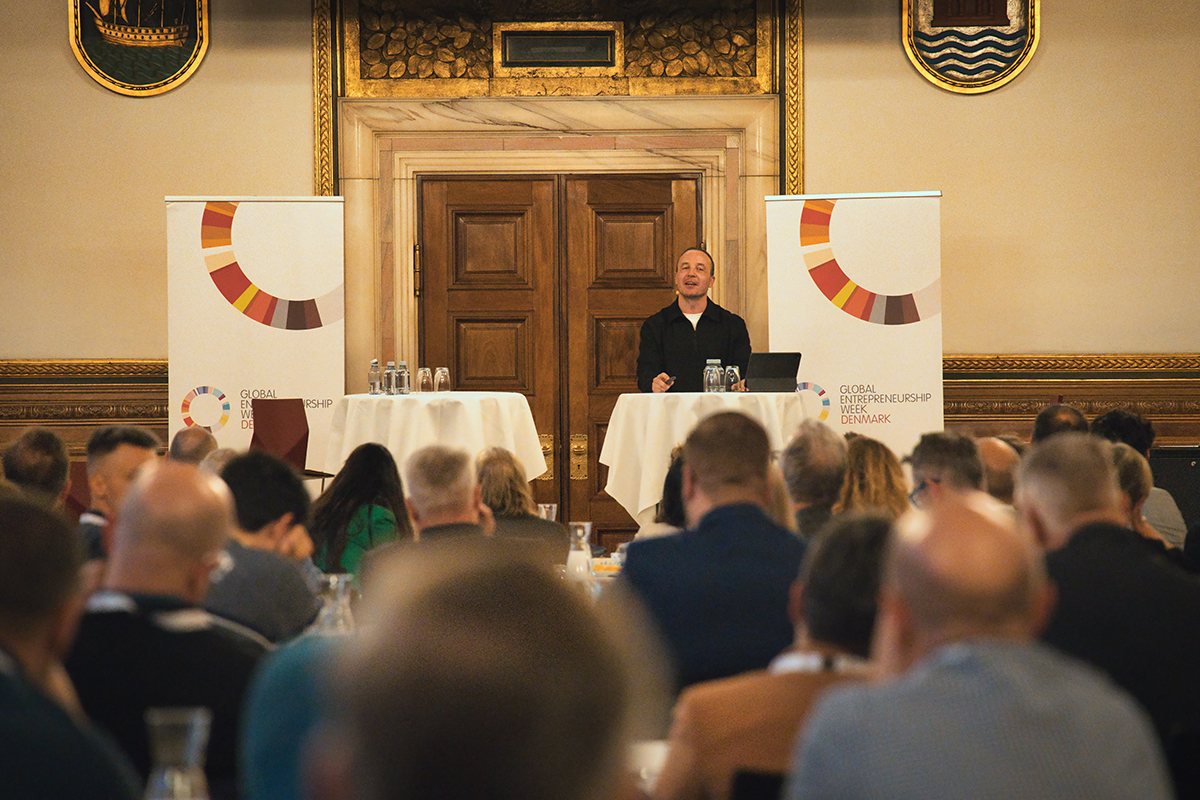
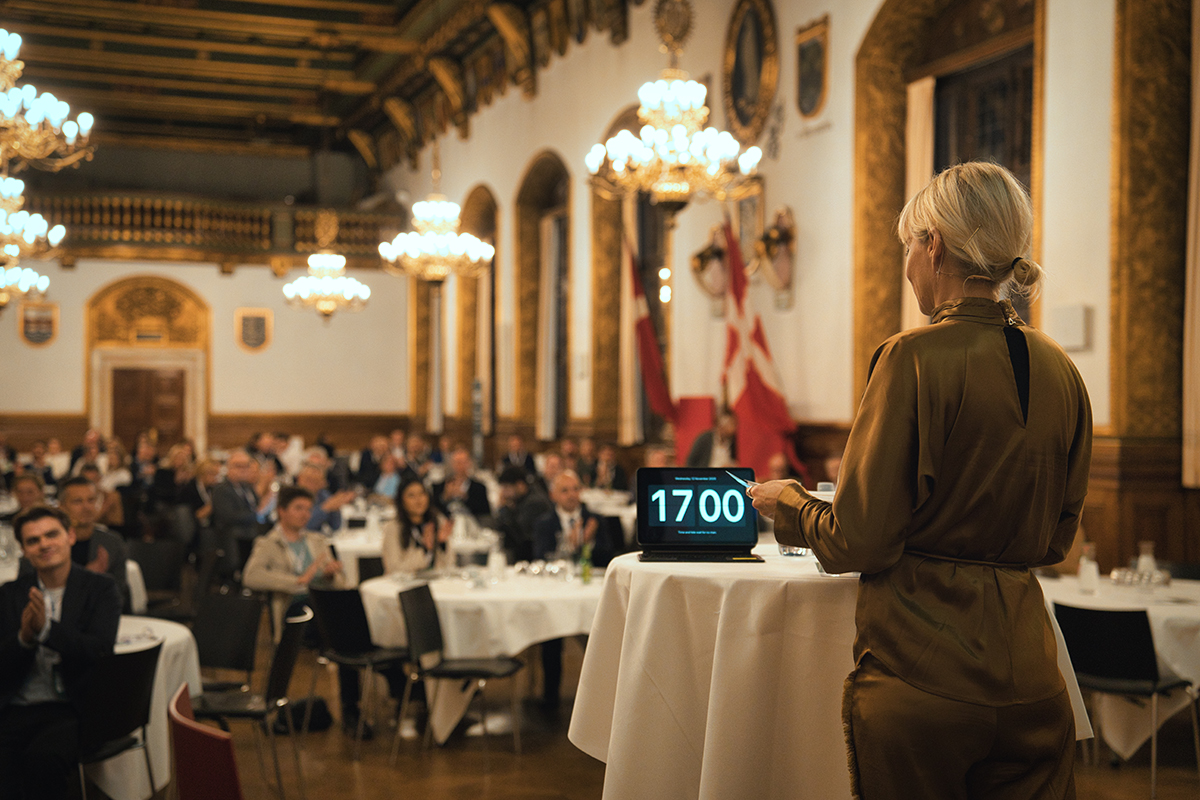
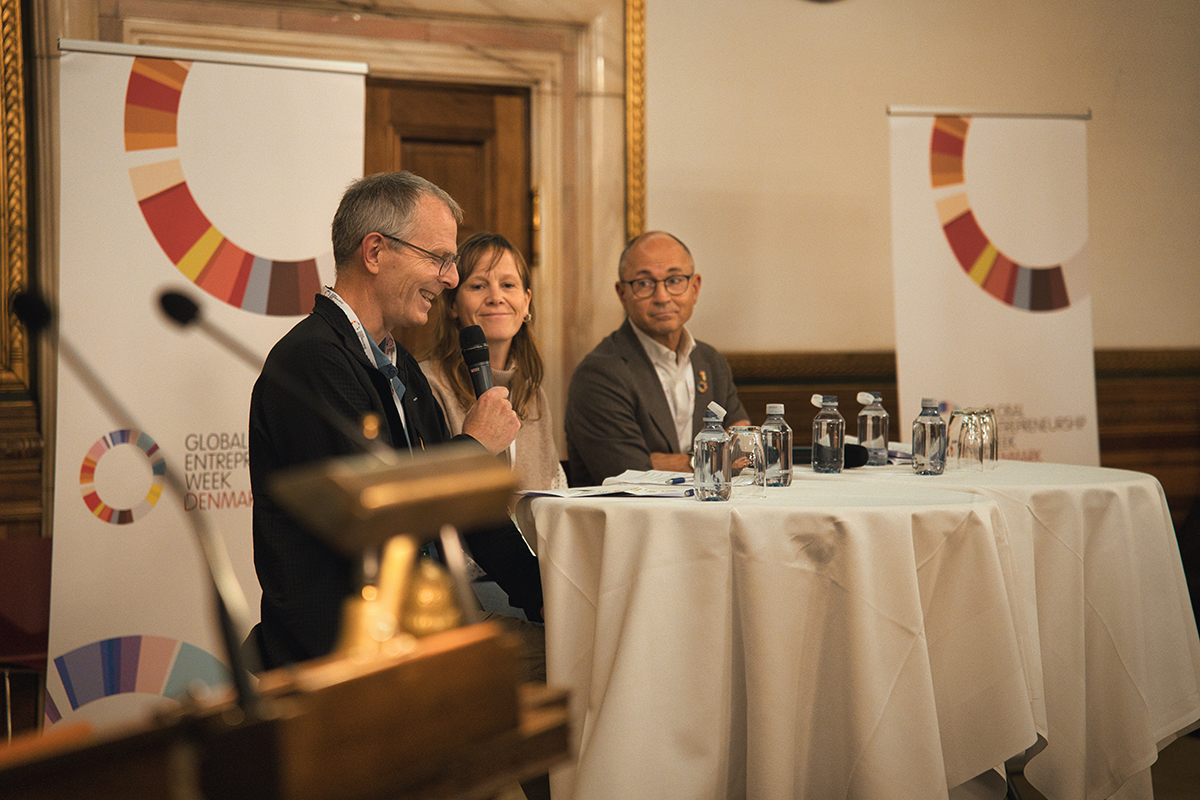
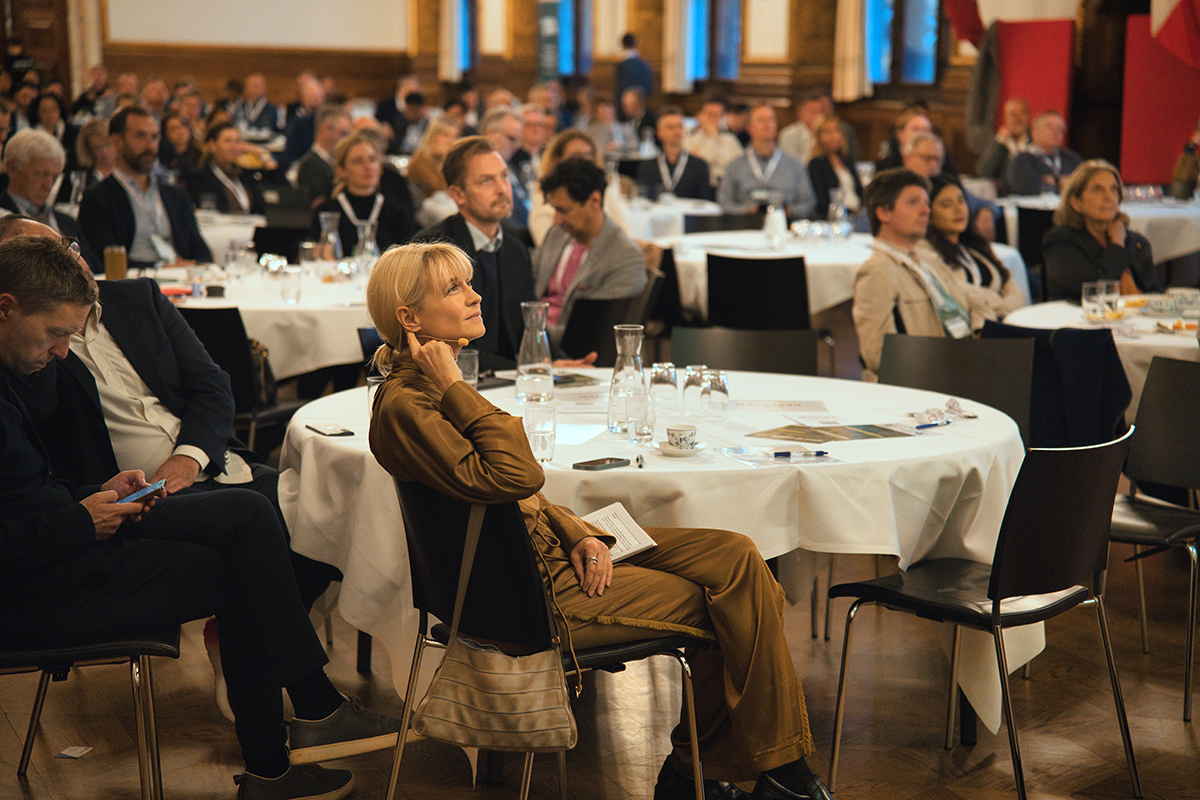
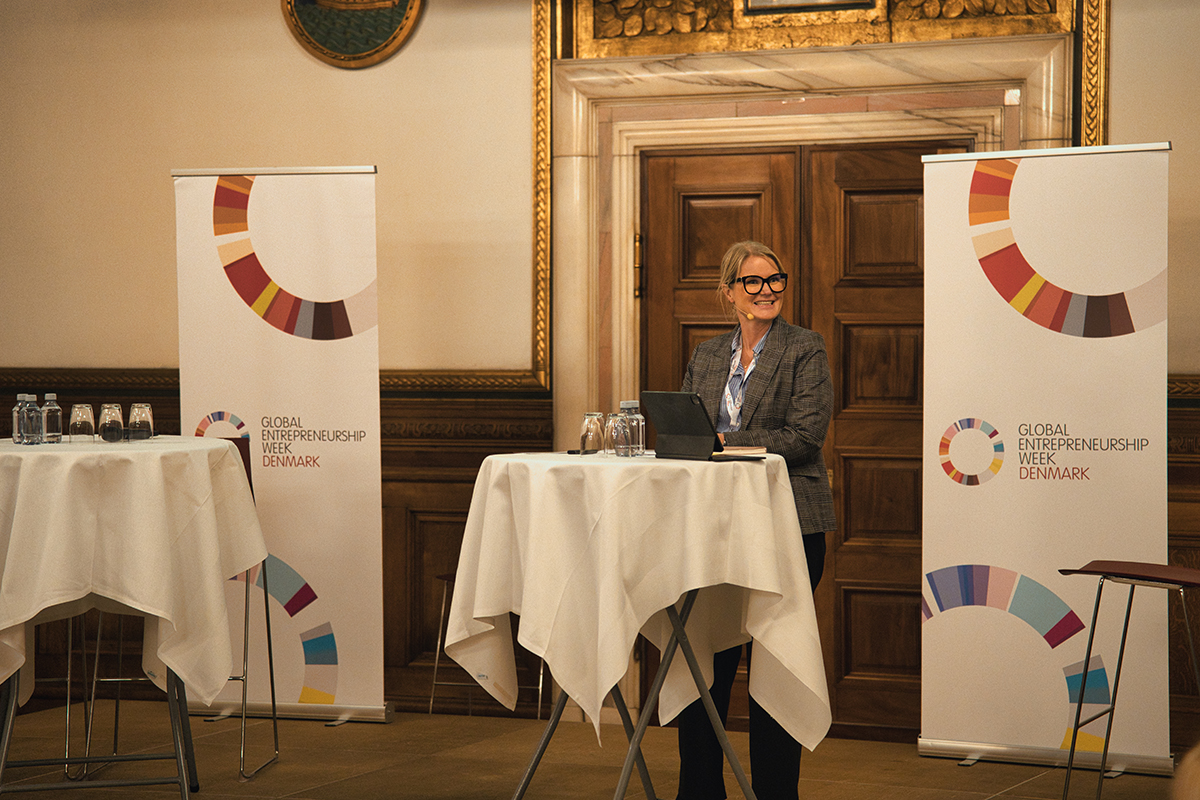
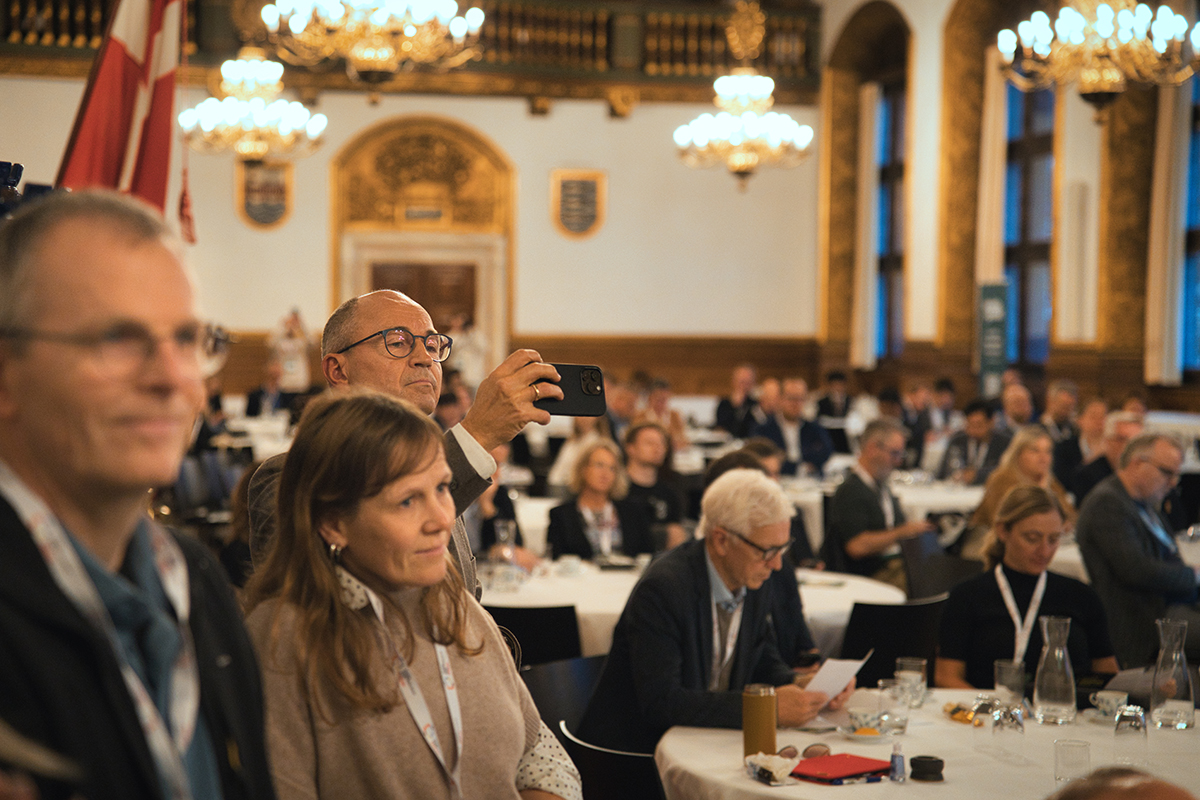
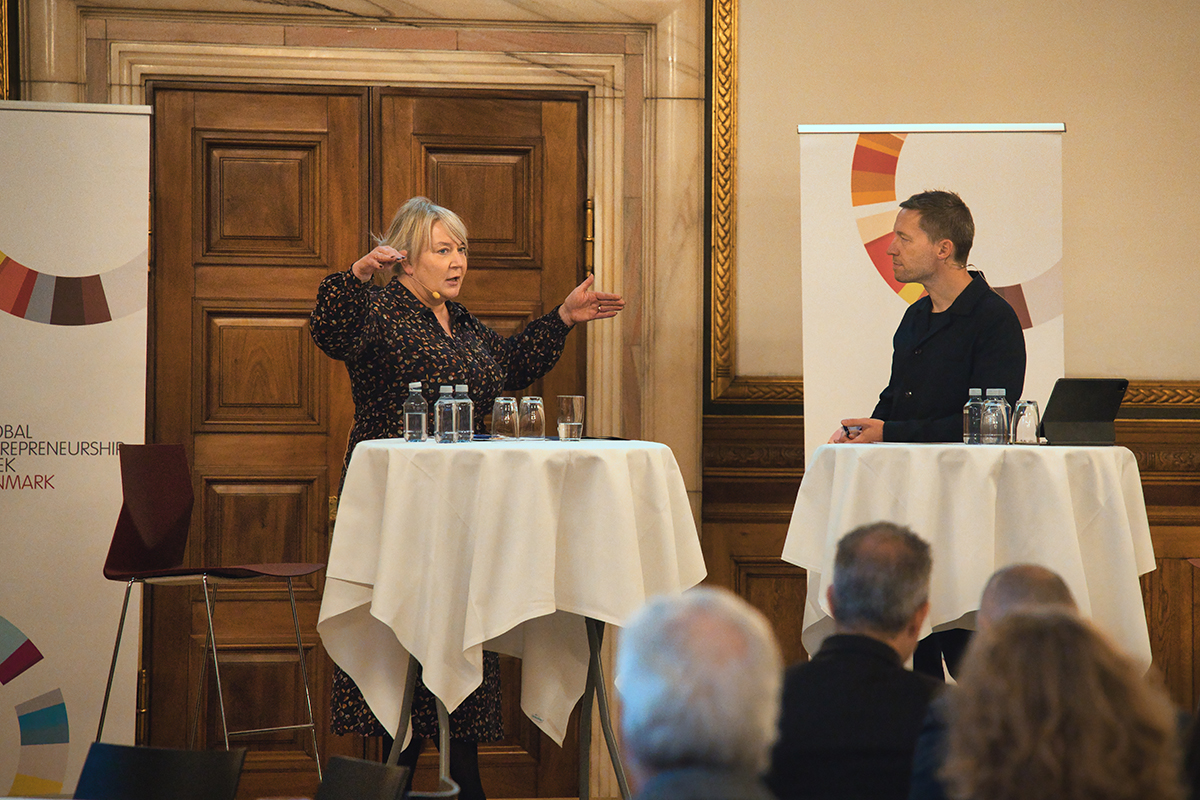
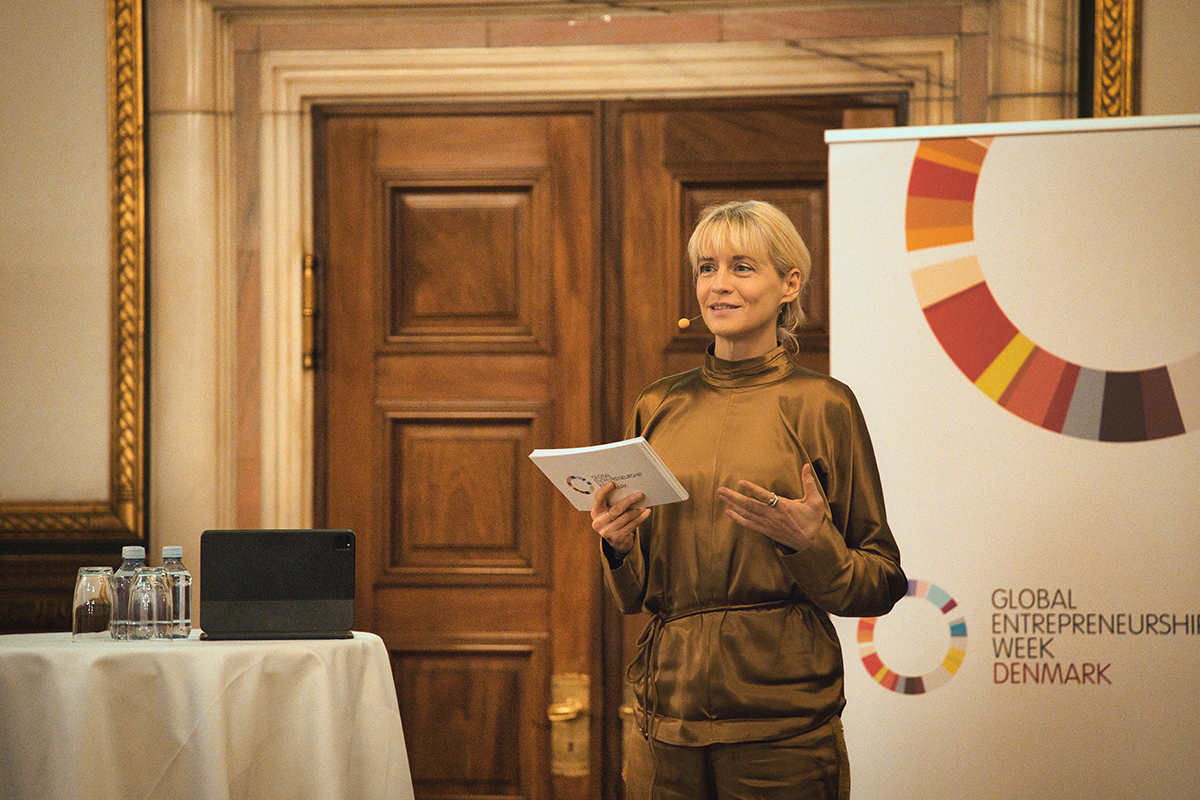
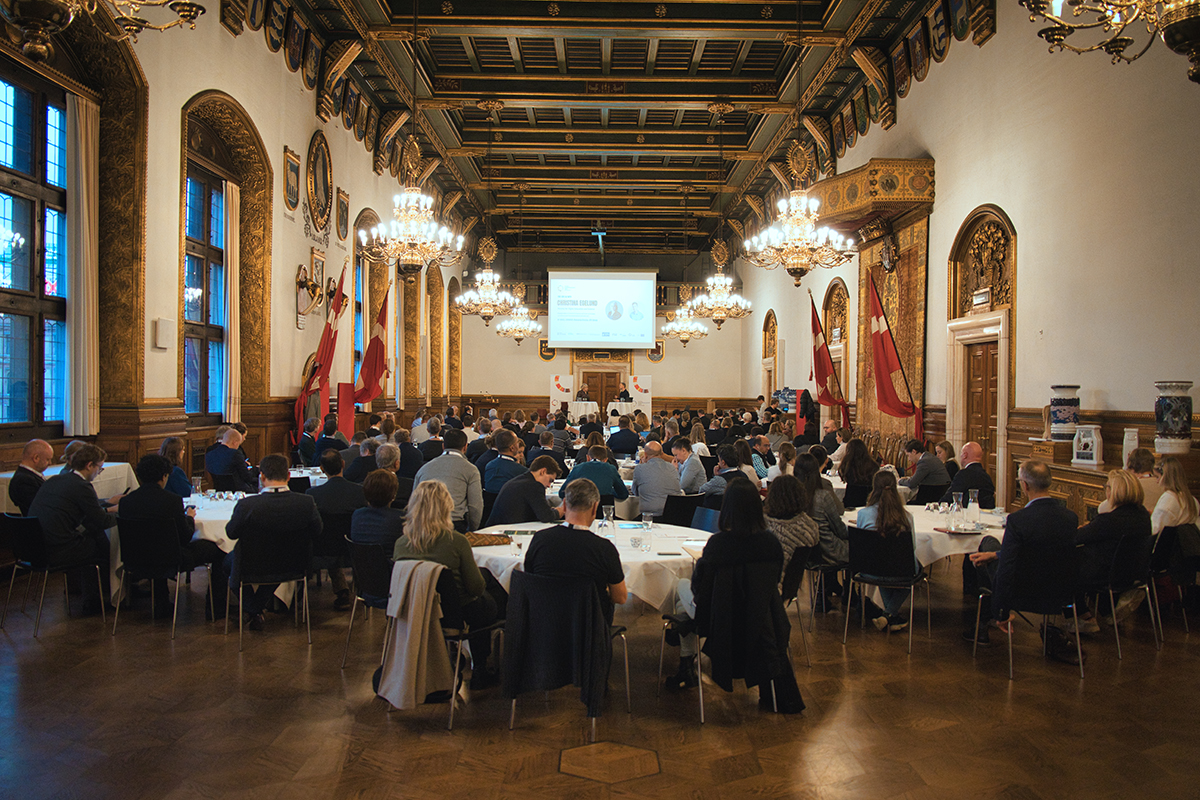
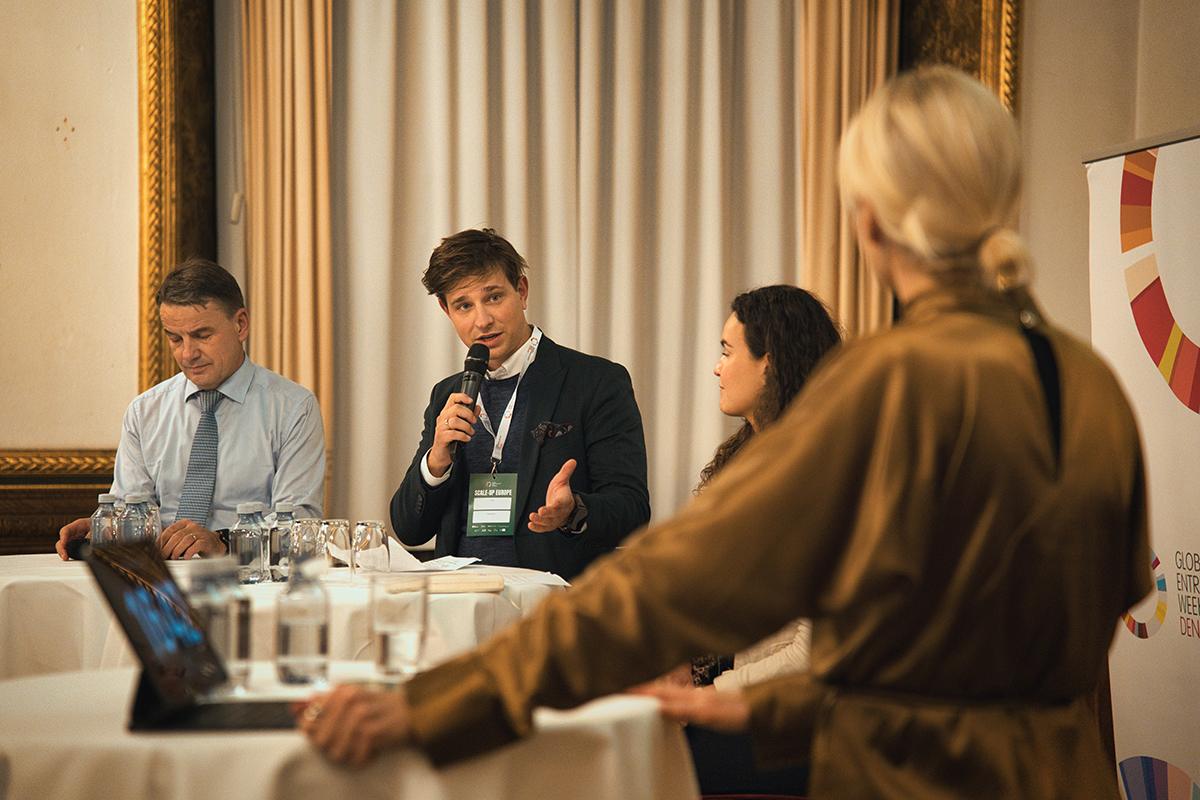
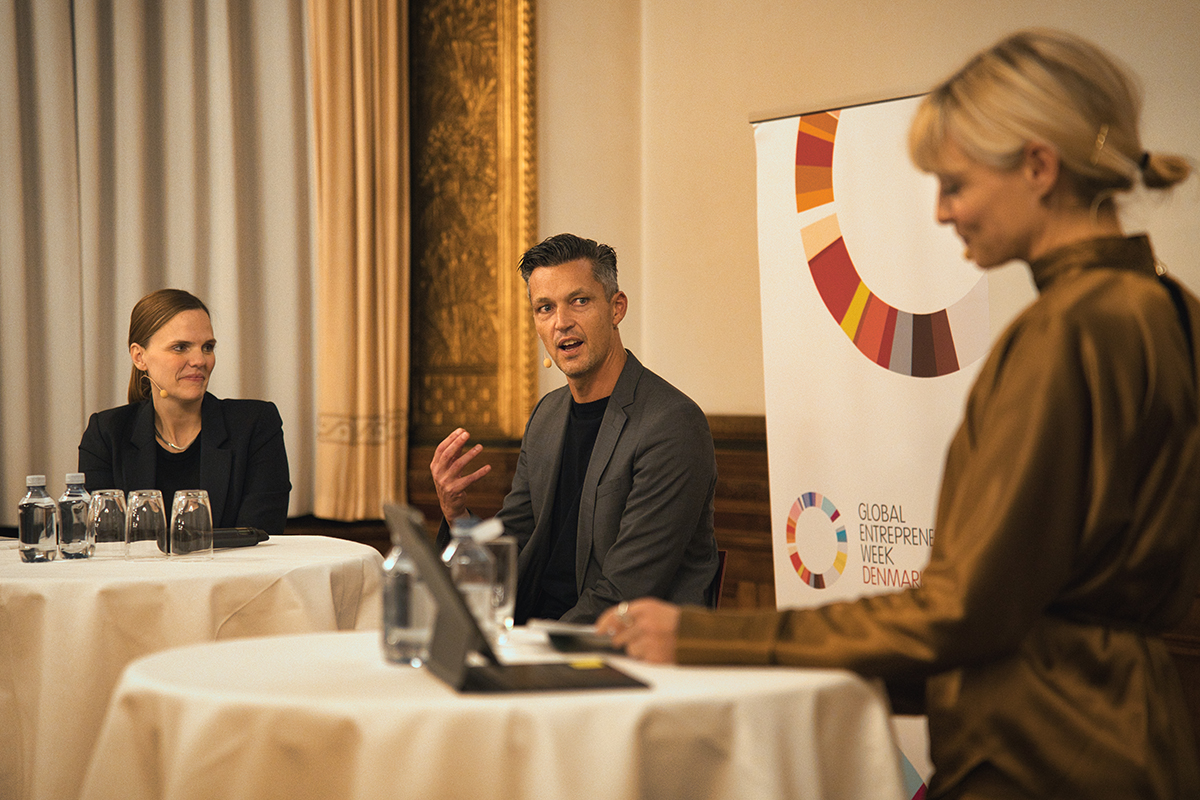
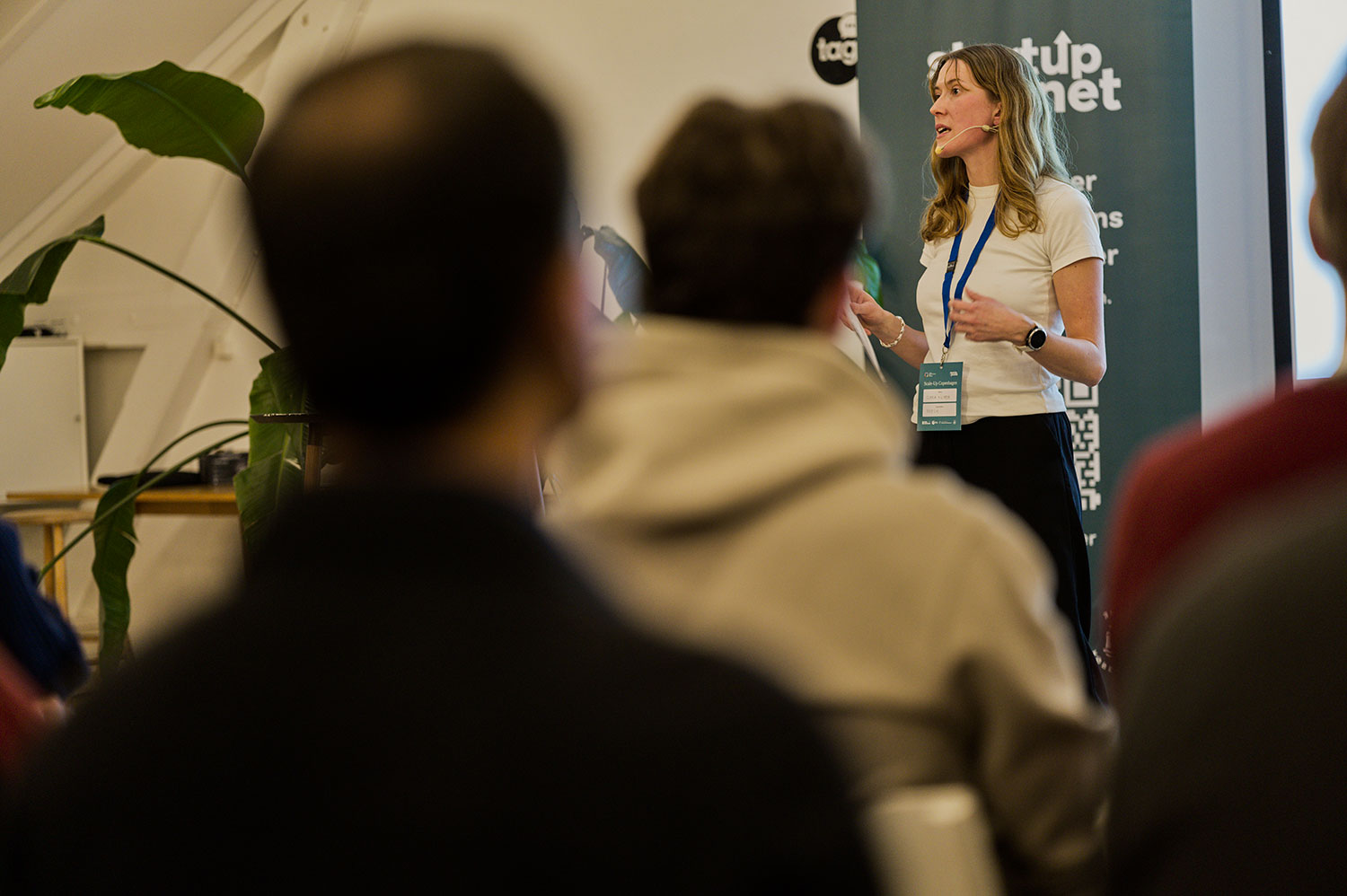
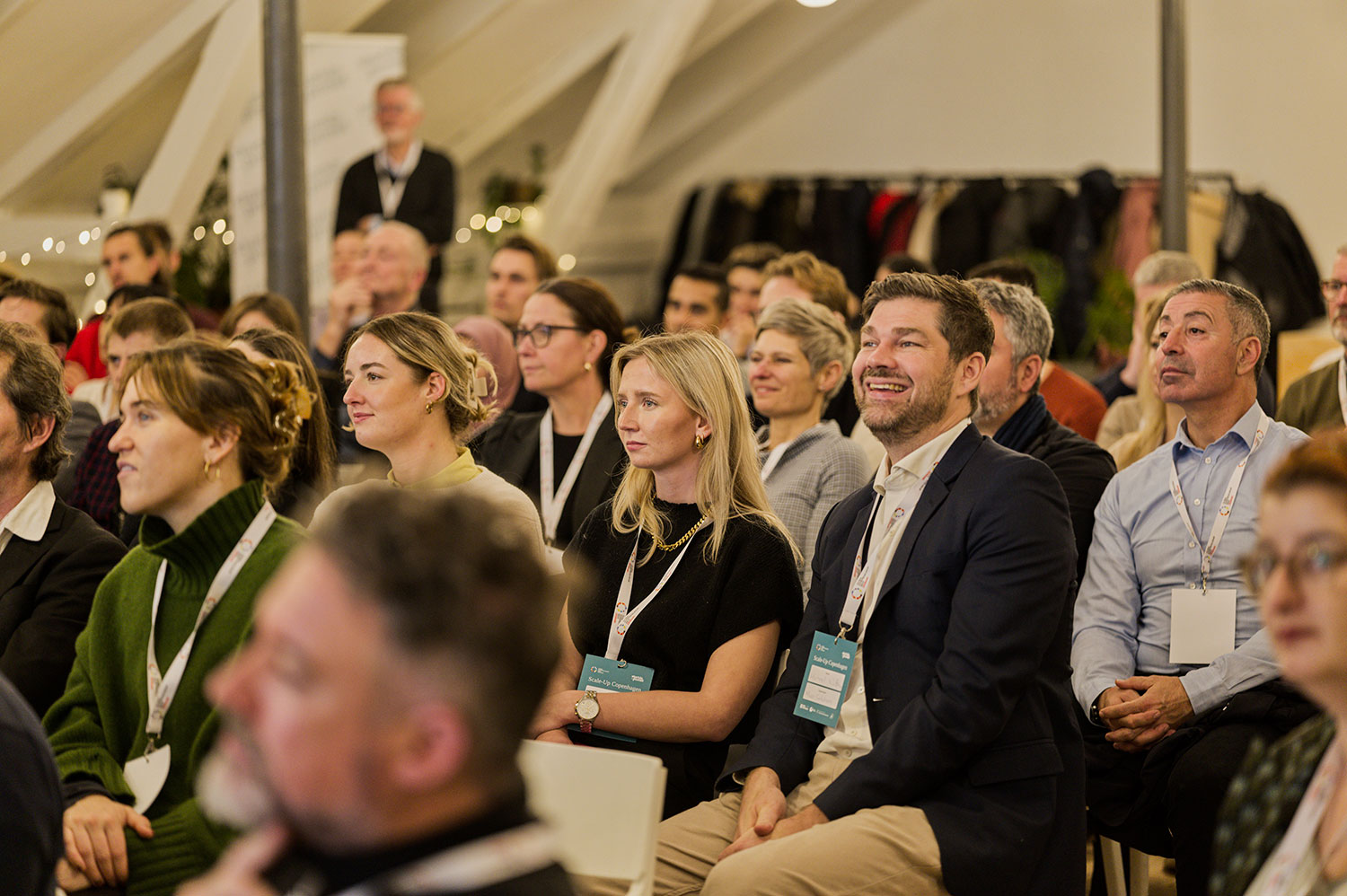
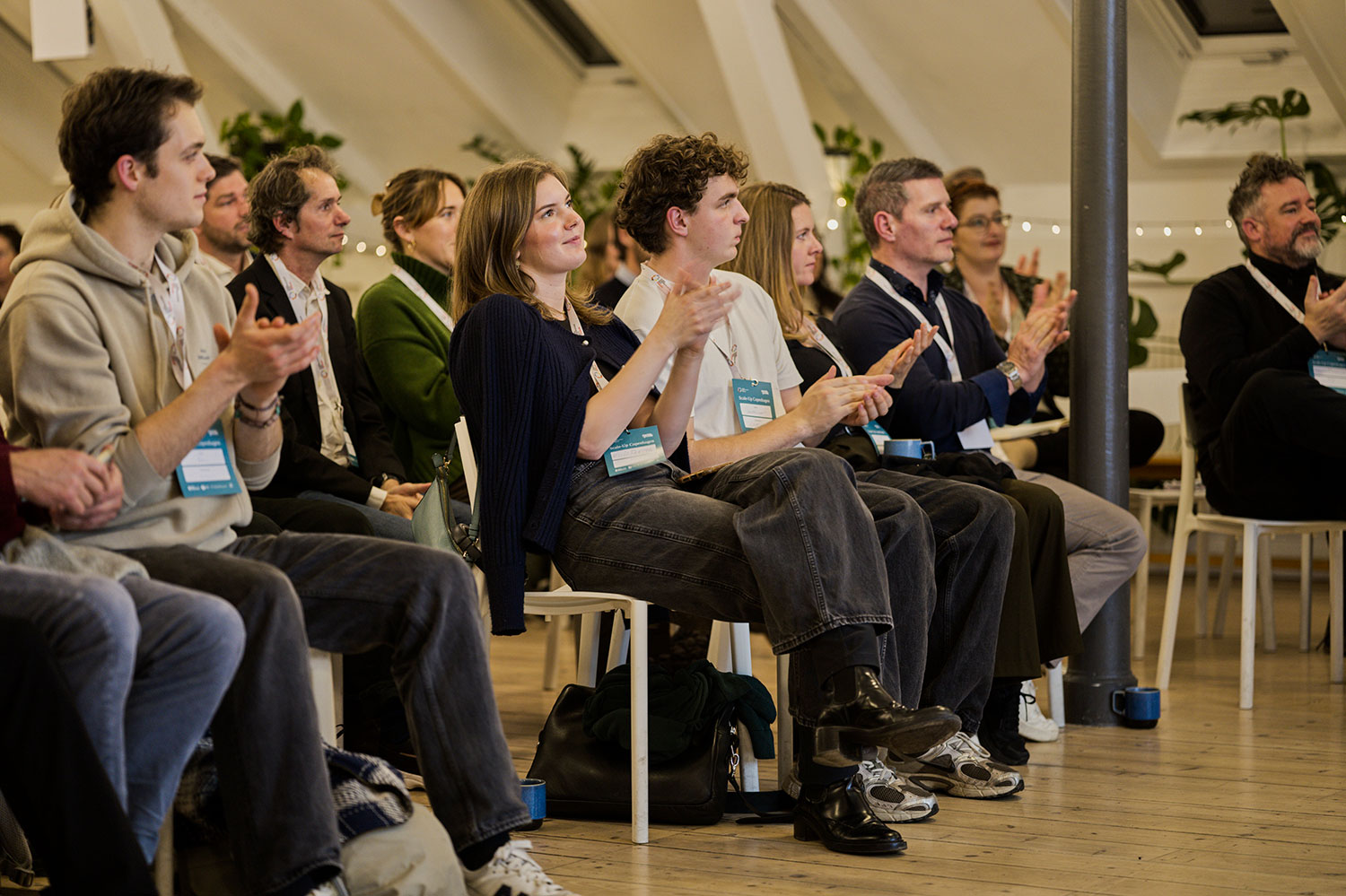
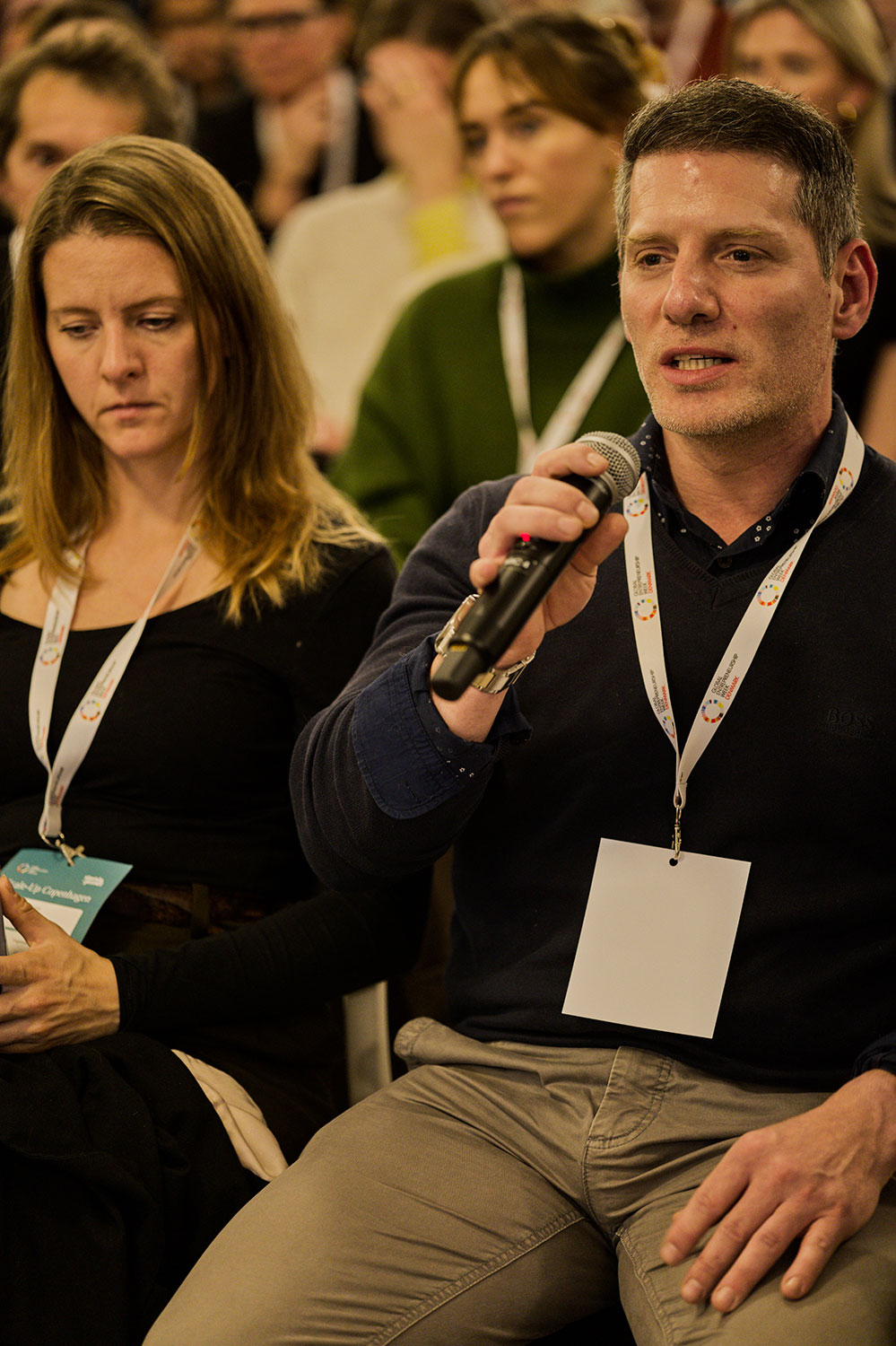
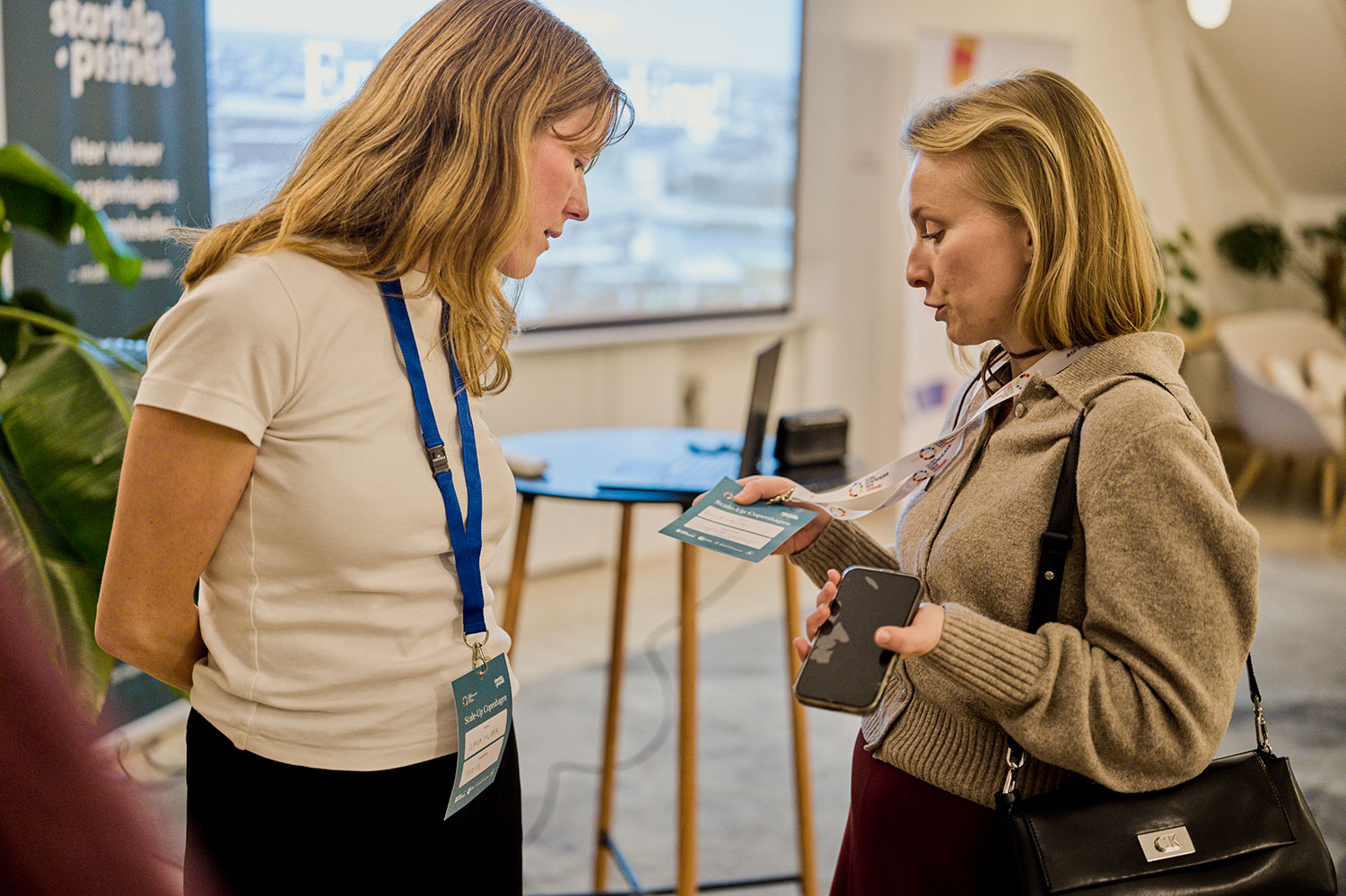
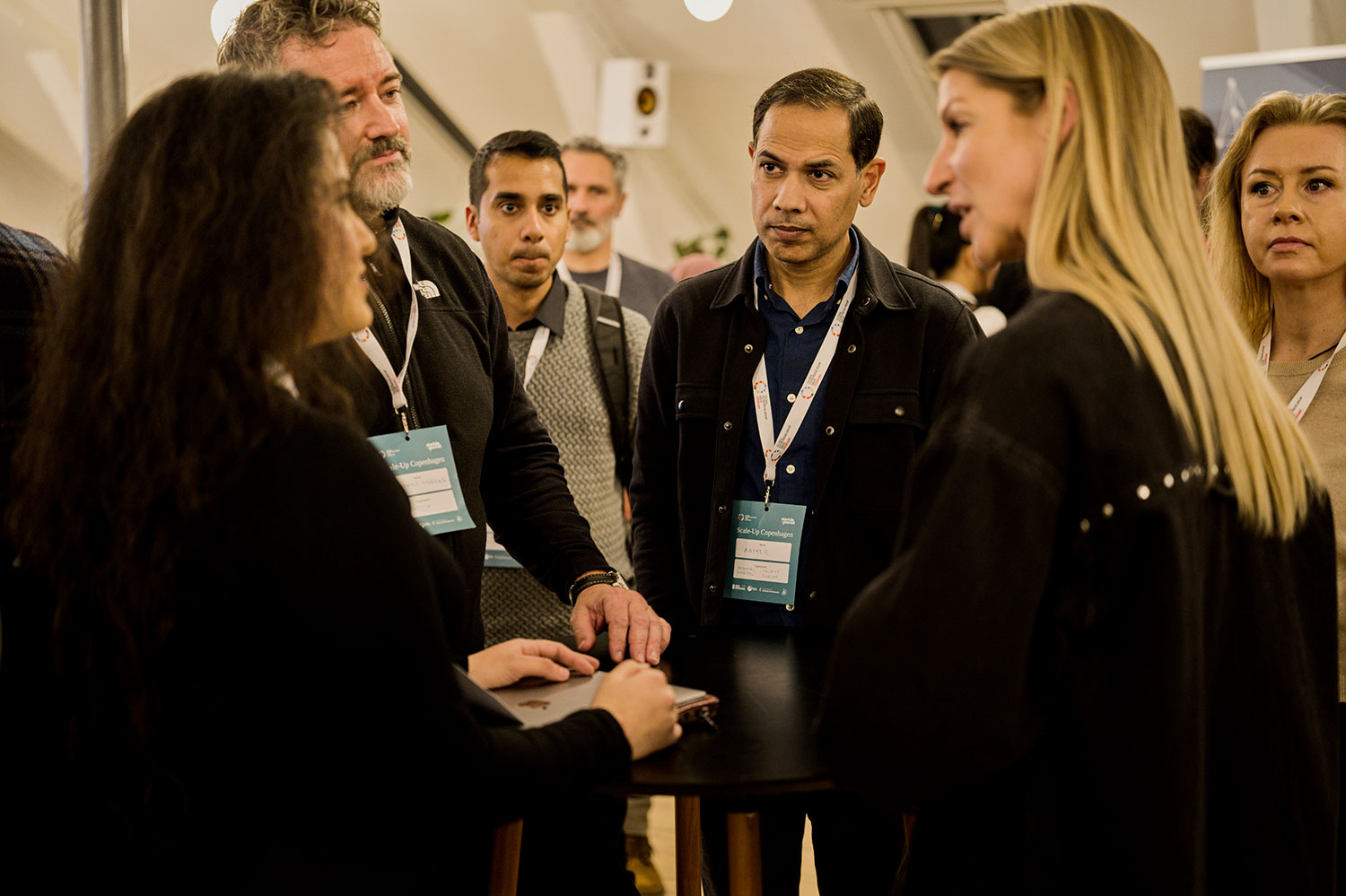
Experience the atmosphere from Scale-Up Europe at Copenhagen City Hall, the official opening of GEW 2025. Explore a selection of the best moments – from inspiring keynotes, fireside chats and pitches to vibrant networking and the energy of Europe’s scale-up ecosystem.

















Case Library
Founder stories, sharp insights, and practical tools

Sirène: Built from one woman’s experience. Designed to keep many safe.
Sirène was built from a personal starting point and grew into a company focused on everyday safety. It’s a story about turning experience into a product with real purpose.
But building a company takes more than a good idea. This case is about the importance of the right partners, strong investors and the courage to keep going when facing obstacles.
It shows what it really takes to turn an idea into something that lasts.
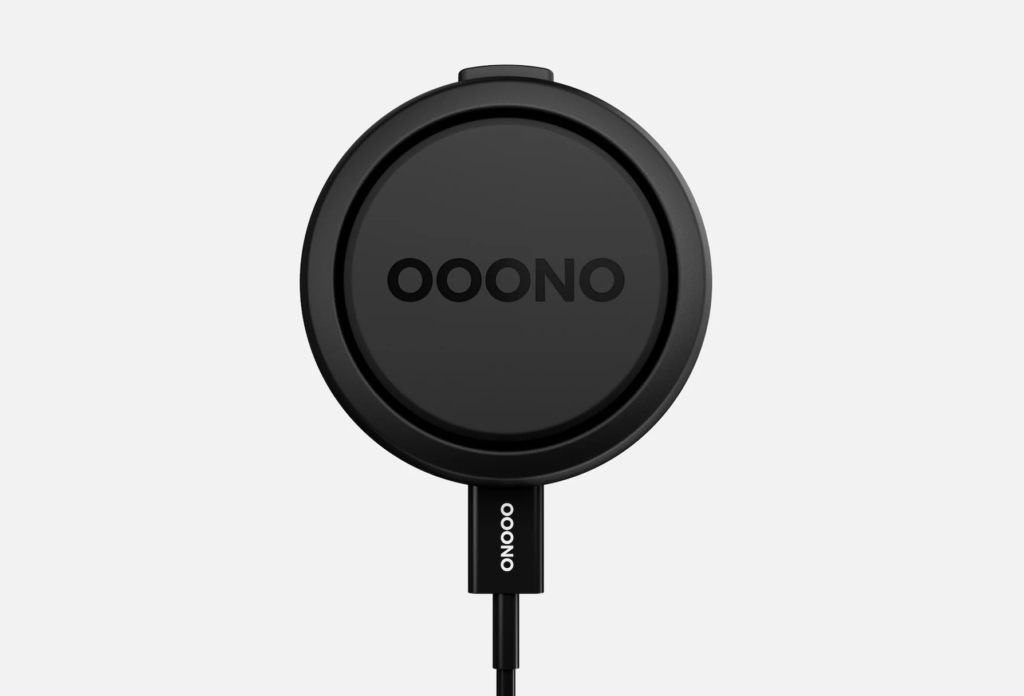
OOONO: From a Bold Idea to Europe’s Next Potential Unicorn
OOONO started as a simple idea: make everyday life safer by turning a small device into a community that shares traffic info without noise or stress. In less than a decade, Christian Walther Øyrabø has scaled it into an international tech company with a clear ambition: building Denmark’s next unicorn.
But rapid growth doesn’t happen by waiting for perfection. This case is about launching early, learning fast, pushing through doubt and navigating Europe’s messy regulatory reality while scaling across markets.
Unlocking Europe’s Startup Potential
Europe is full of talent, ambition and breakthrough ideas – but too often, startups hit barriers long before they reach their potential.
In this video series, we dive into four major EU initiatives that could reshape the playing field for European founders — for better or for worse.
Europe has been slowing down while others race ahead
Mario Draghi’s report sounded the alarm: overregulation, fragmented markets and underfunded innovation were holding Europe back.
His roadmap set a new direction: cut red tape, invest in innovation, boost competitiveness.
One year later, progress is real but only 11% of the recommendations are fully implemented.
Europe’s startup scene is stuck in a patchwork of overlapping rules.
91 % of startups say bureaucracy and conflicting regulations are slowing their growth.
The Digital Omnibus could change that: one framework, one entry point, one EU logic.
If Europe doesn’t simplify now, innovation, and our startups, will keep moving abroad.
Watch the video to see how the Digital Omnibus could unlock a truly digital single market.
Europe has the talent — so why aren’t more startups scaling?
100+ European unicorns vs. 700+ in the US — and American scaleups raise 6× more capital.
Entrepreneurs still face 27 different legal systems just to grow across the EU.
The 28th Regime could change everything: one market, one framework, 450M customers.
Watch the video to see why this could be Europe’s biggest boost for startups in decades.
Could an EU ban on targeted ads block the growth of new startups?
9 out of 10 entrepreneurs rely on targeted advertising today but that may soon change.
A ban could push a startup’s marketing costs from €20,000 to €200,000 per year.
The result? Fewer ideas turning into companies — and a worse experience for users.
Watch the video to see why we need fairness – not prohibition in Europe.
Make Europe the AI & Startup Continent
Europe’s competitiveness is slipping as the gap with the US and Asia widens. Fragmented rules, slow digital adoption, and weak investment hold back growth. The Lisbon Declaration launched by the S9+ coalition warns that without bold action to simplify regulation, accelerate AI, and invest strategically, Europe risks a lost decade.
The Declaration calls for a Digital Simplification Agenda and a 28th Regime to make it as easy to start and scale across Europe as within one country. It urges Europe to invest in unlocking pension capital, supporting high-tech startups, and enabling talent mobility through fair stock option rules and digital skills.
The message is clear: Simplify regulation, accelerate AI, invest strategically, empower startups. Only then can Europe become the world’s leading AI and innovation continent.
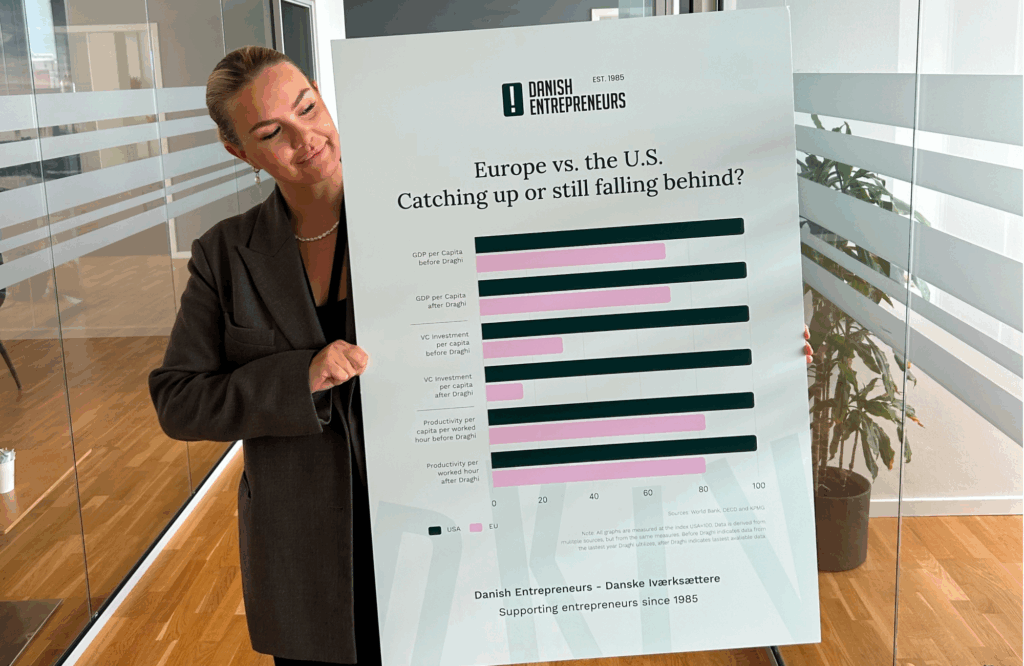
One year after the Draghi-report and we have nothing to show for it
Mario Draghi’s 401-page report warned that Europe’s competitiveness was collapsing. A year later, little has changed. Only 11 % of his recommendations are fully implemented, venture capital remains fragmented, and Europe’s best startups still move abroad.
Draghi’s message was clear: Europe can’t live off its legacy. It needs a true single market for growth. That’s why the 28th Regime—a single EU company framework—is essential to let startups scale across borders from day one.
As EU presidency holder, Denmark must push for real action. Europe doesn’t need more speeches; it needs decisions. Simplify, invest, and deliver—or risk losing the race for innovation and growth.
Simplifying the EU’s Digital Rulebook
Europe’s startups power AI and digital innovation but are trapped in a maze of fragmented regulation. Instead of stacking new laws, we need smarter, coherent rules that enable growth.
Danish Entrepreneurs calls for a Digital Simplification Agenda to harmonise GDPR, delay the AI Act, remove low-risk burdens, and end data localisation. Startups must be at the table in all new policymaking, supported by a one-stop EU Startup Portal and a unified Tech Visa to attract talent.
Europe can’t regulate its way out of stagnation. To stay competitive, it must simplify, harmonise, and open its digital single market so innovation can thrive where it is born.


Policy Proposal for the 28th Regime
On Europe Day, Danish Entrepreneurs unveiled its proposal for a common European company form – the 28th Regime – to remove legal barriers and strengthen Europe’s competitiveness.
Europe may be one market in theory, but for startups it still feels like 27. The 28th Regime would create a single EU-wide company framework, digital by design, with shared standards for registration, investment, and employee ownership.
We need to finish what the Single Market started, and make it as easy to scale from Madrid to Munich as within a single country. That is also why the 28th Regime must take the form of a regulation, not a directive. A directive would add new layers of national implementation, reinforcing the very fragmentation we are trying to overcome. Yet the Commission’s current work programme points towards a directive – and we must collectively fight that decision.
Seven Recommendations to Strengthen Europe’s Competitiveness
Startups drive Europe’s innovation, but fragmented markets and limited access to finance hold them back. The EU’s Startup & Scaleup Strategy is a chance to fix that – if implemented effectively.
Danish Entrepreneurs outlines seven priorities that encourage the EU to unlock cross-border investments, improve exit options via simpler IPOs and harmonised M&A rules, cut red tape and market fragmentation, open public procurement to startups, attract talent with fast-track visas and recognition of qualifications, link research more closely with entrepreneurship, and ensure free data flows.
Europe has the talent and ambition to lead globally – but will only succeed if it turns strategy into action and delivers one truly unified market for growth.


The Effects of Restricting Targeted Advertising for Startups
Startups in Europe are investing in new digital tools and competencies faster than ever before to meet European buying habits and compete in the global market.
Targeted advertising is one of the most important tools in the startup growth cycle to validate business ideas, reach critical masses and scale operations beyond local markets.
Restrictions on targeted ads would disproportionately hurt the European startup ecosystem by hindering expansion possibilities and disadvantage startups in the global competition.
The Danish EU Presidency
Denmark’s EU Presidency offers a unique chance to strengthen Europe’s competitiveness by opening markets, mobilising capital, and creating fair digital rules.
We focus on three key files that have the potential to strengthen Europe during the presidency: The 28th Regime – a single EU company form enabling startups to operate across borders from day one; the Digital Fairness Act – which must balance consumer protection with innovation and growth; and the Innovation Act – aimed at turning research into market-ready technologies through sandboxes and collaboration.
The Danish EU Presidency is a moment of opportunity. By advancing these three initiatives, Denmark can help Europe shift from managing decline to building a competitive, confident innovation economy – one that invests, scales, and leads.